Integrity model
Defined compact append-only records containing timestamp, path, size and SHA-256 without storing tracked file contents.
Open Source / Python Automation / Daily Build
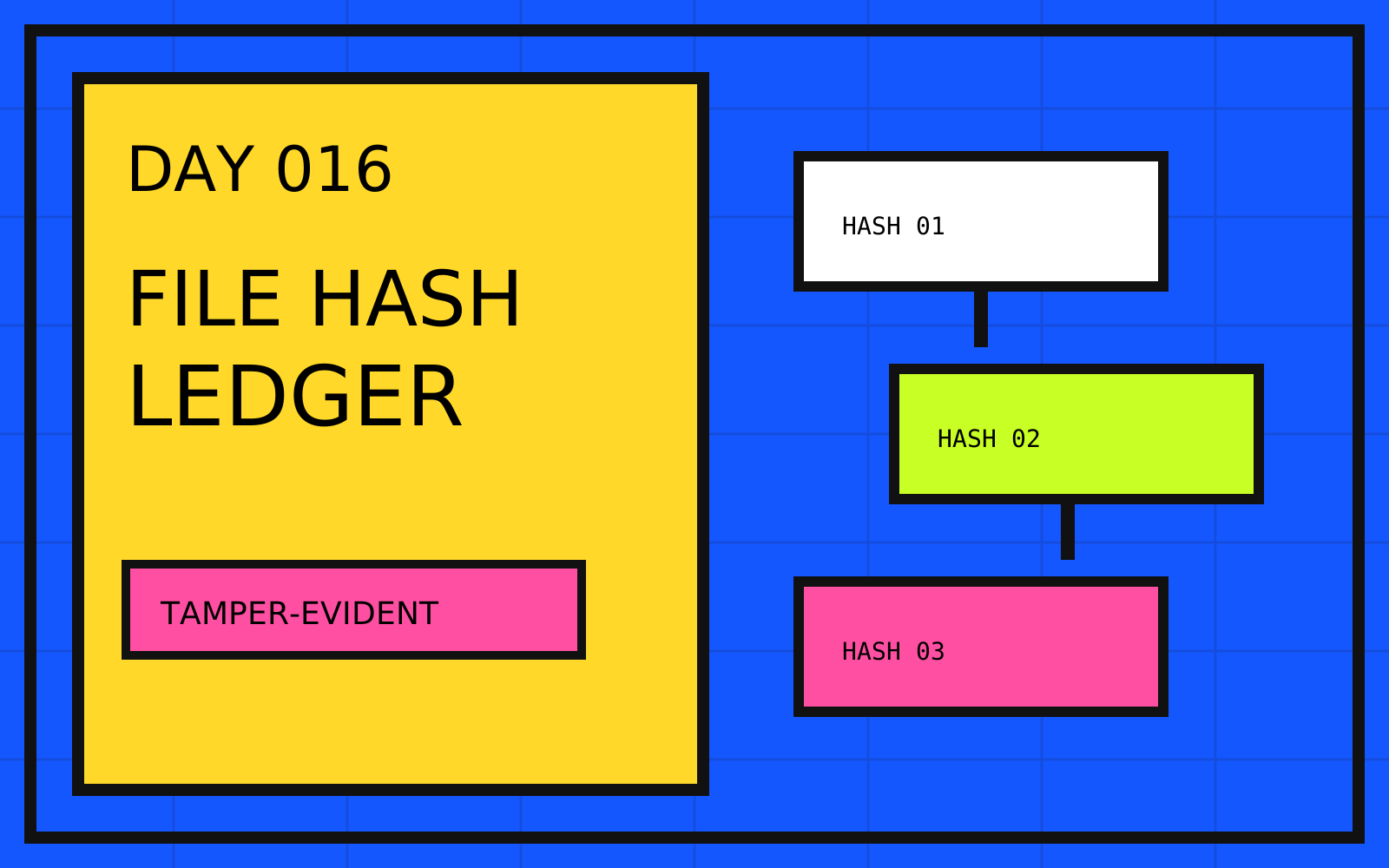
A dependency-free Python CLI that records sequential SHA-256 file snapshots in a tamper-evident JSONL chain.
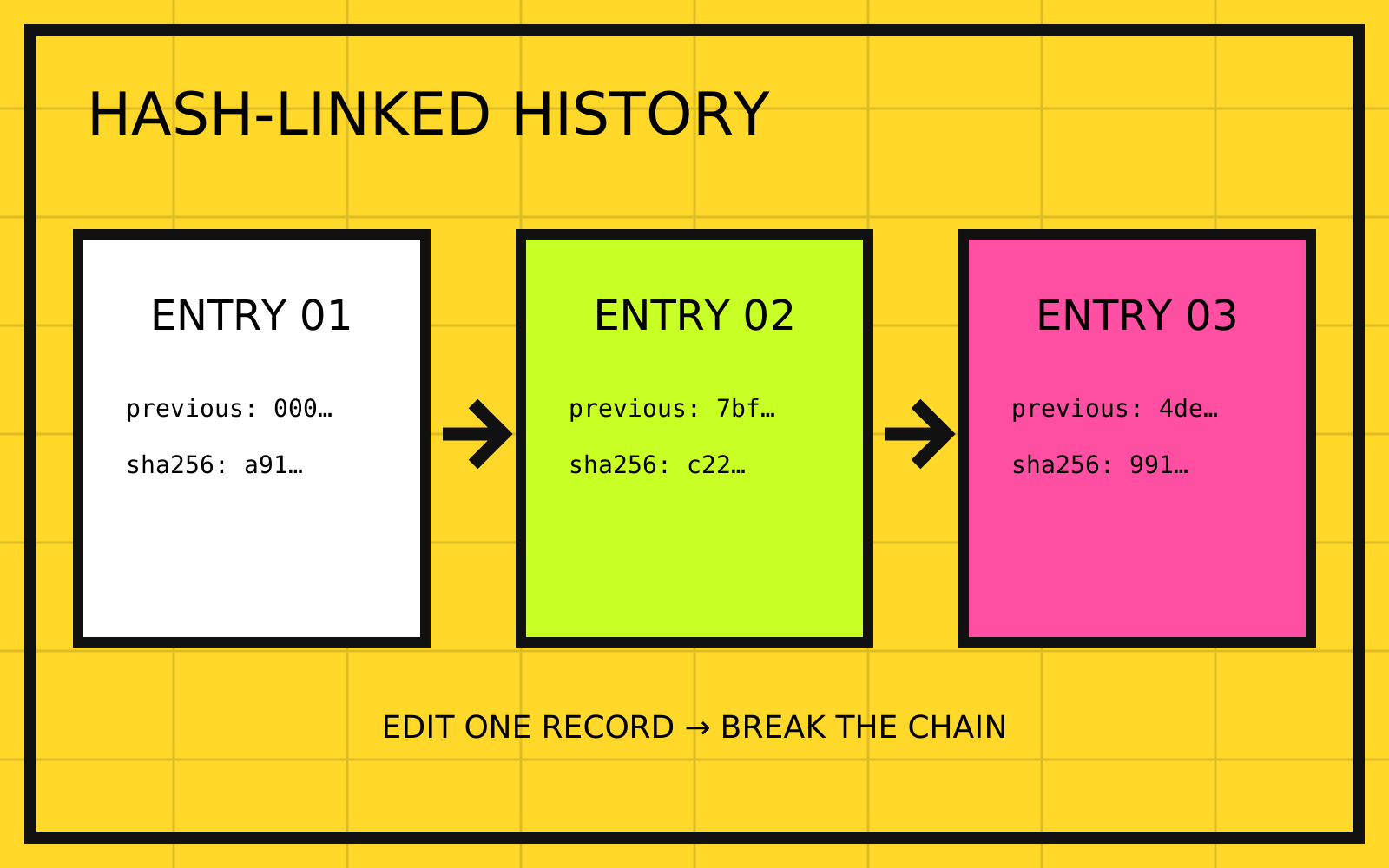
Defined compact append-only records containing timestamp, path, size and SHA-256 without storing tracked file contents.
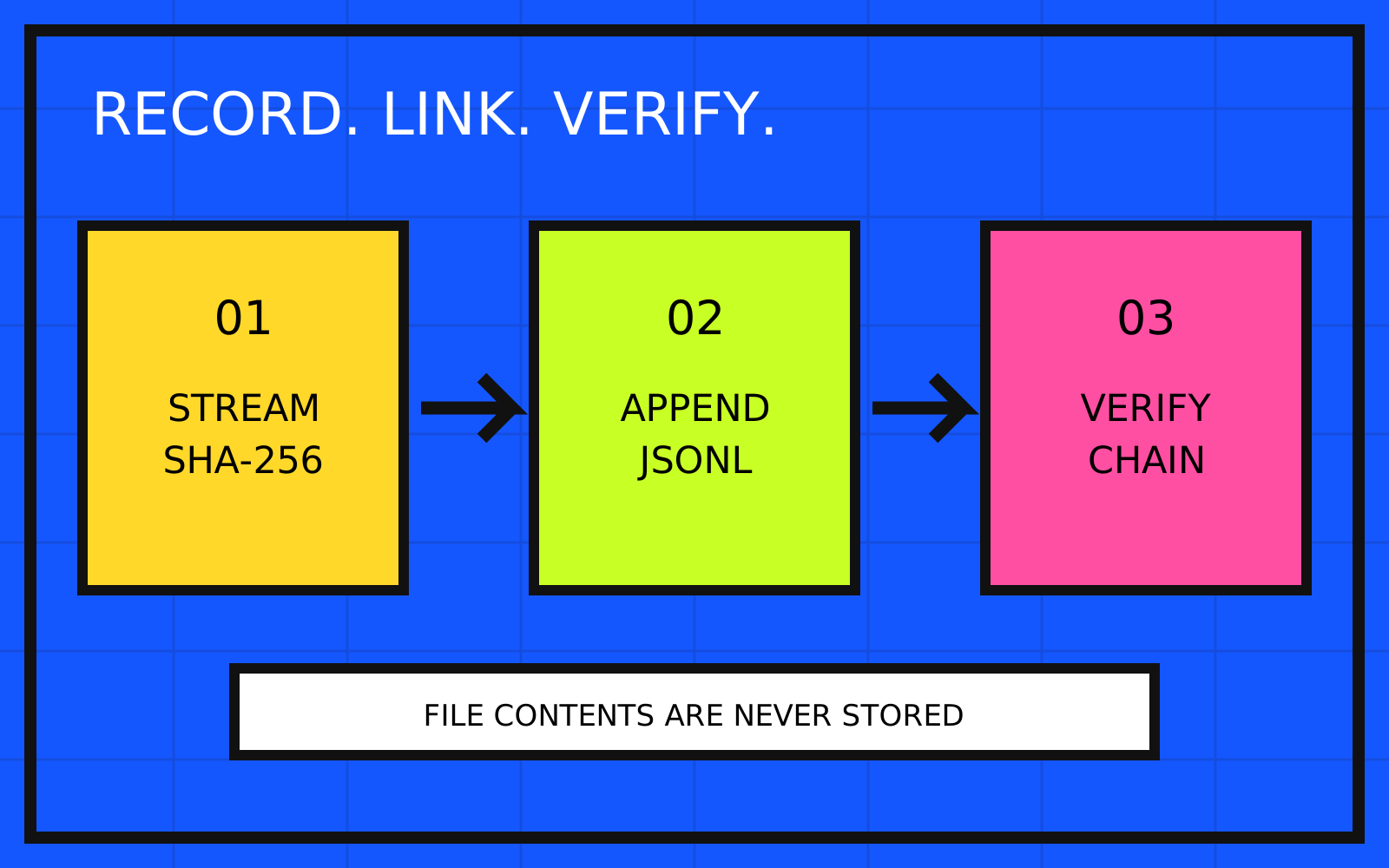
Canonicalized entry data for stable hashes, verified every link, and blocked new records when prior history failed validation.
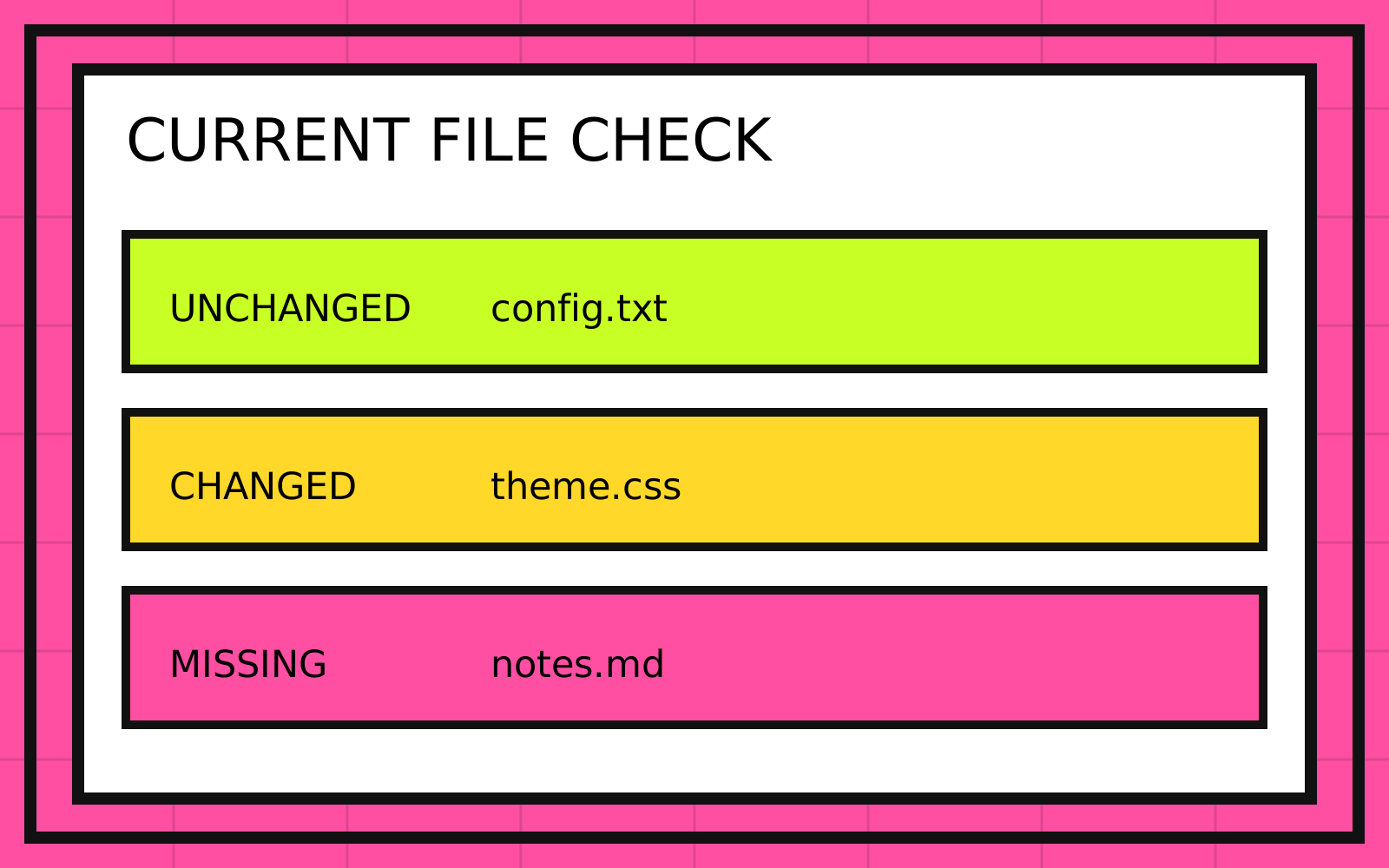
Compared each latest recorded file hash with the current file and reported unchanged, changed or missing status.
Sequential file-hash history
Tamper-evident hash chaining
Changed and missing-file checks
Nine passing standard-library tests
hashlib, pathlib and chunked reads create portable SHA-256 snapshots without third-party dependencies.
One canonical JSON object per line keeps records appendable, inspectable and suitable for local tooling.
Nine tests cover known hashes, chain links, tampering, safe append refusal, file status, invalid JSON and symlink rejection.