Pattern review
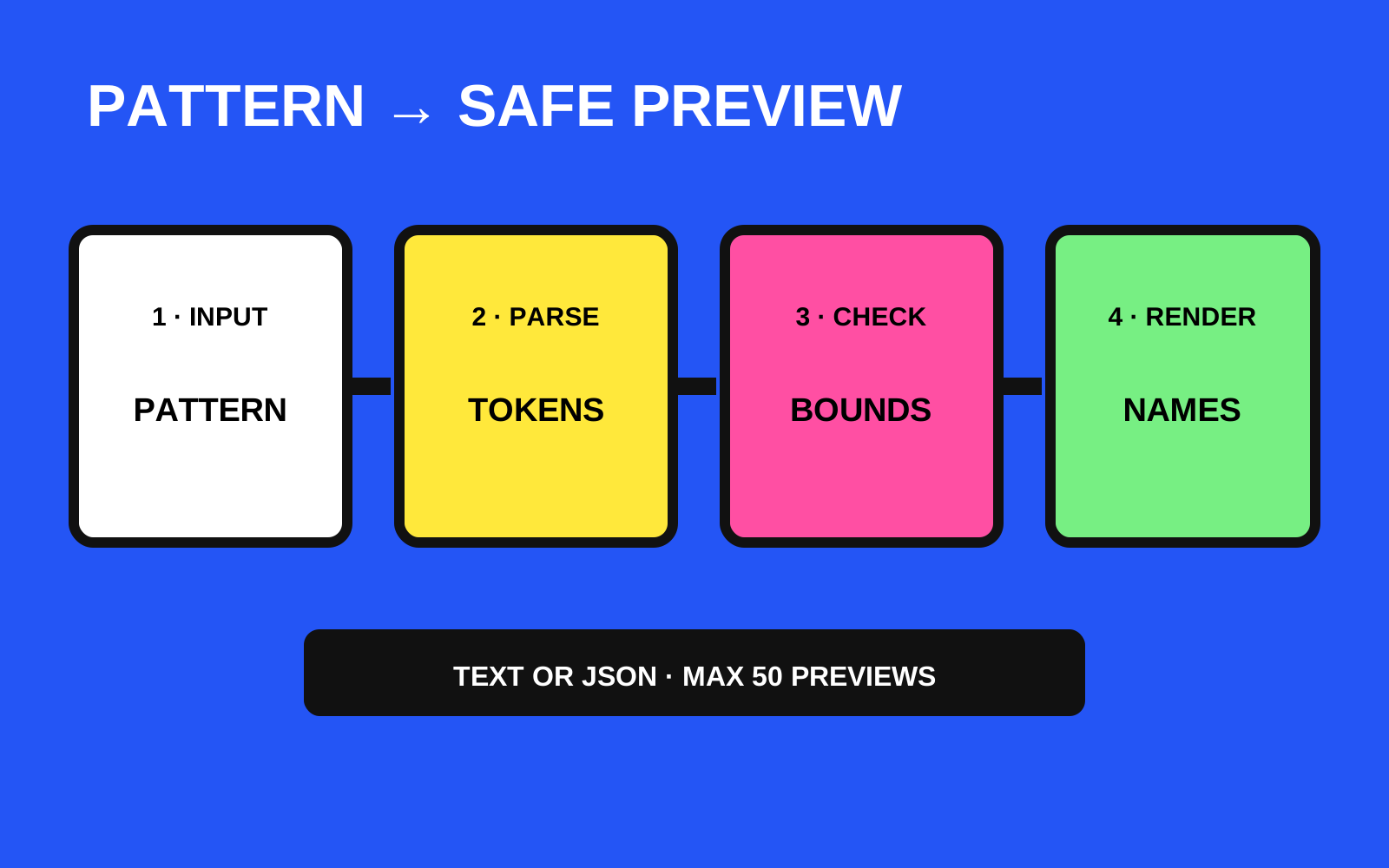
Separates literals, date tokens, field placeholders and one counter group so unsupported or incomplete syntax fails clearly.
Day 026 / Frappe / Naming Patterns
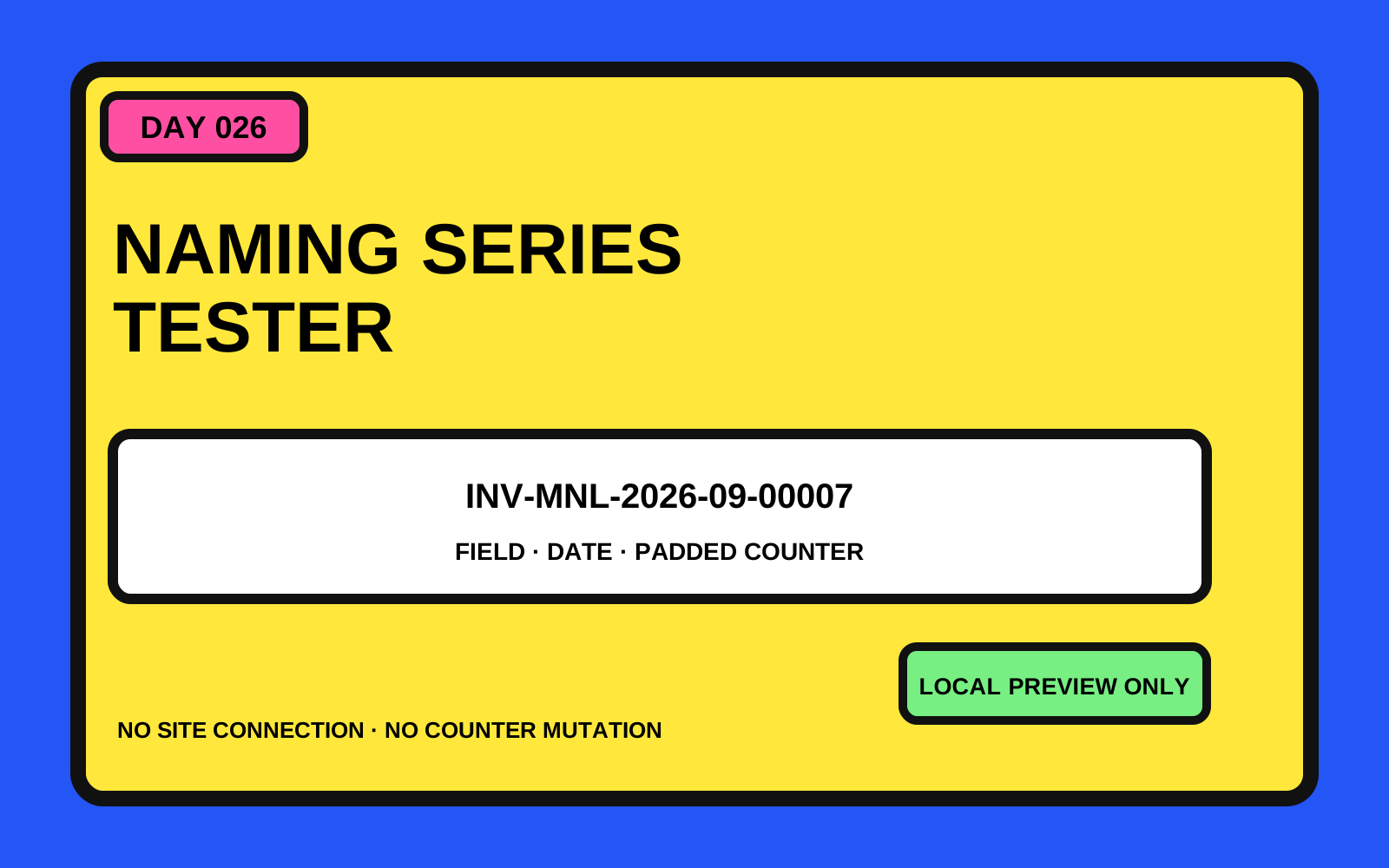
A dependency-free Python CLI that validates a focused subset of Frappe-style naming patterns and previews deterministic document names without consuming a real counter.
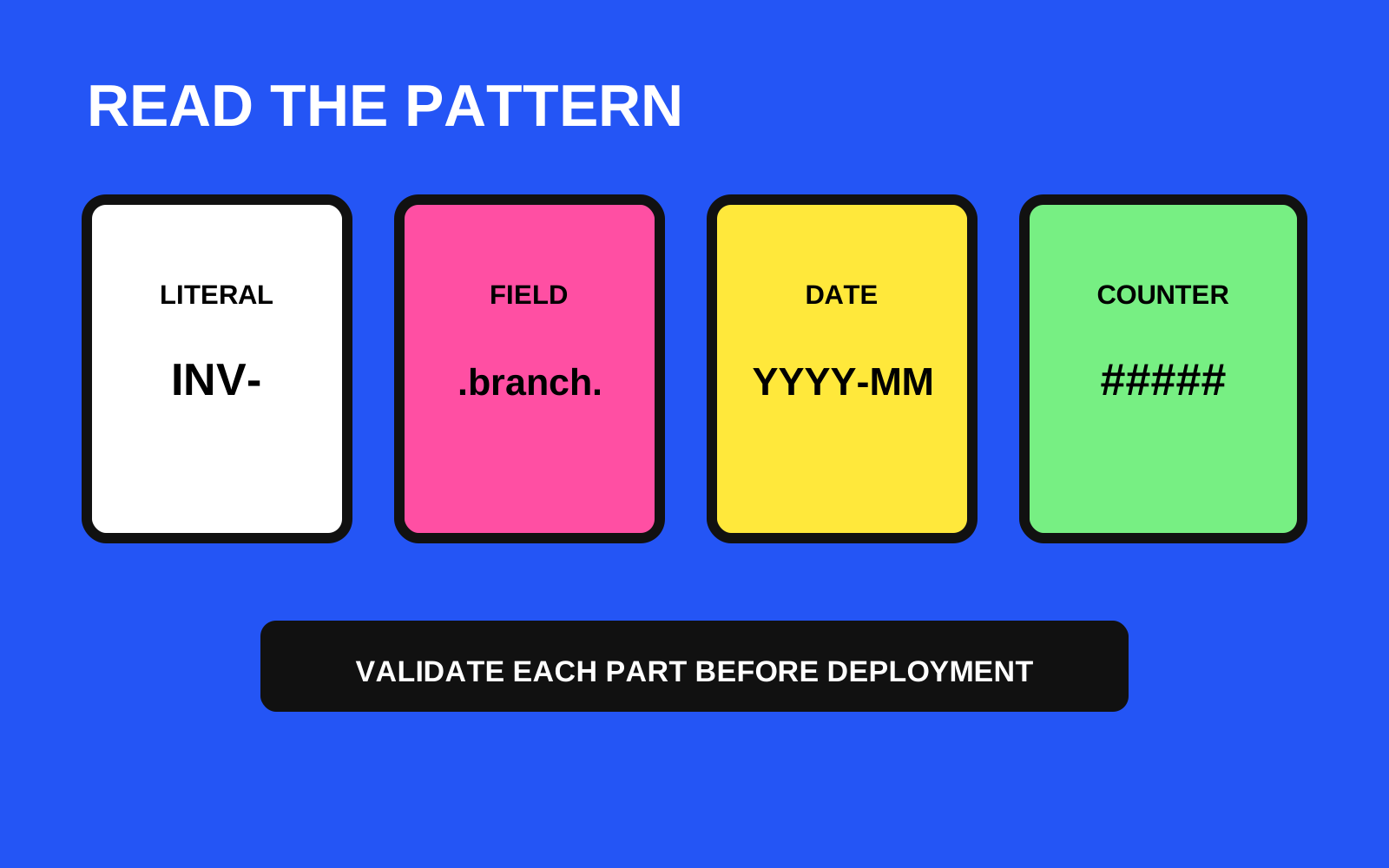
Separates literals, date tokens, field placeholders and one counter group so unsupported or incomplete syntax fails clearly.
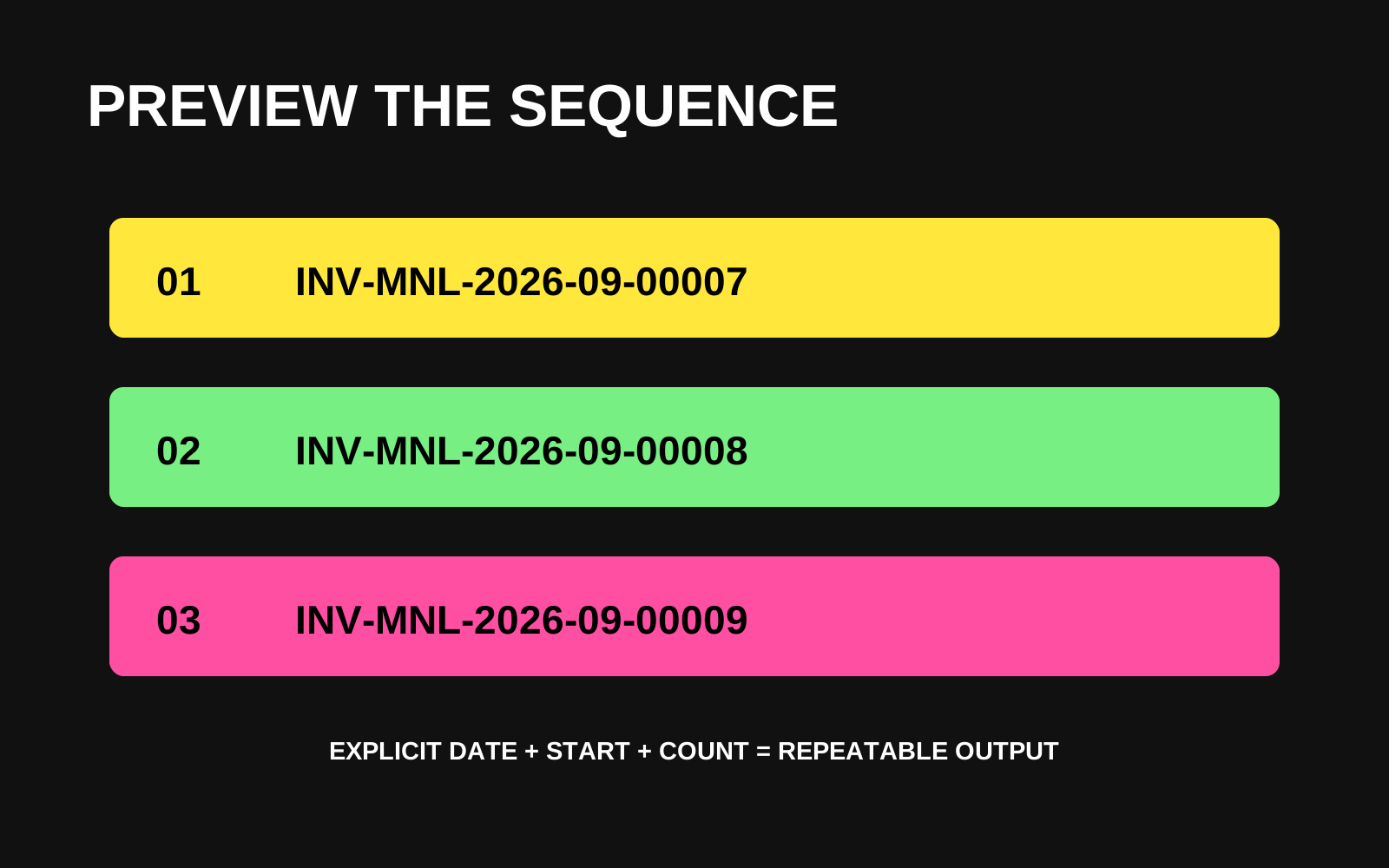
Uses an explicit date, starting number and preview count to produce repeatable sample names without consuming a production sequence.
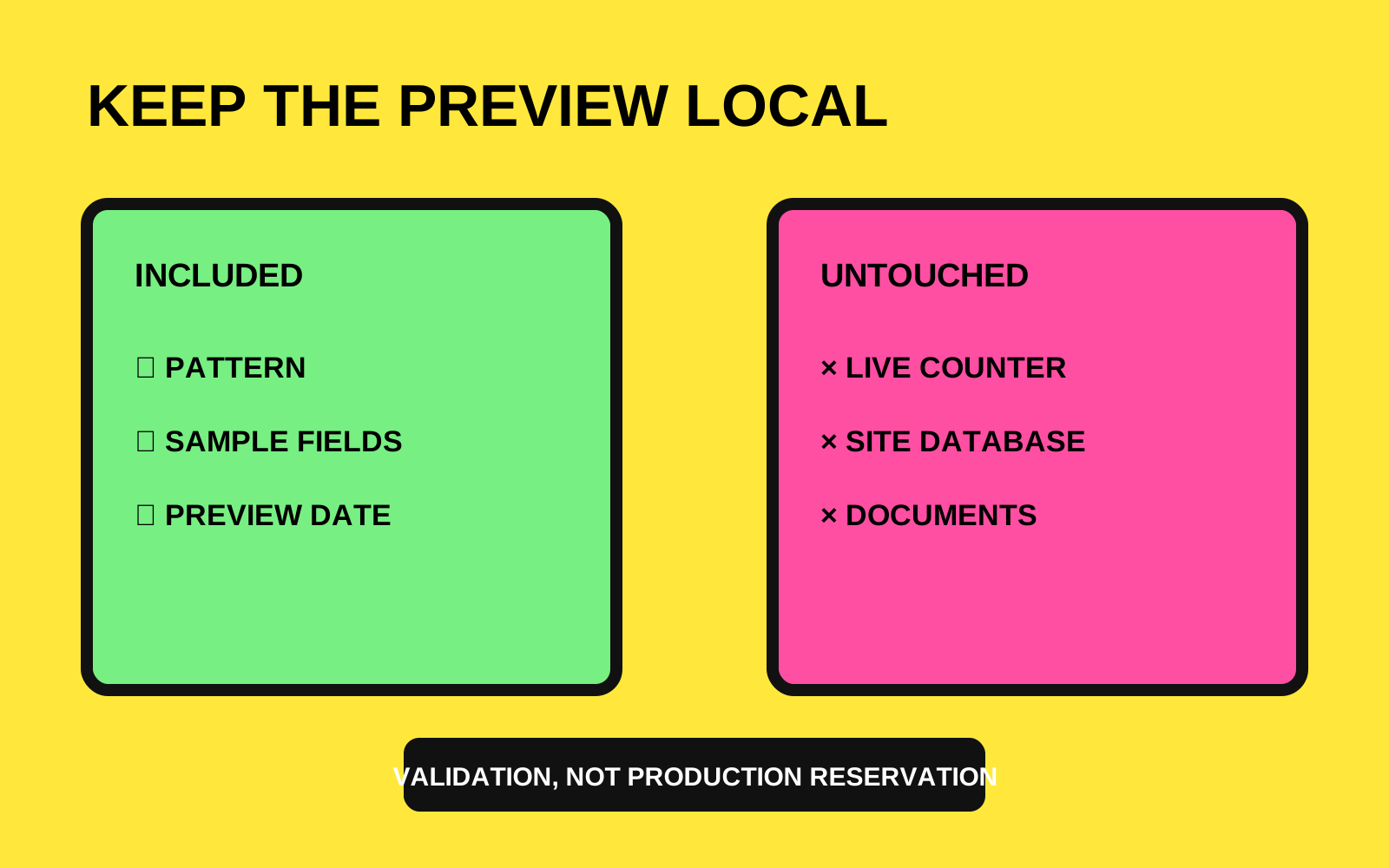
Accepts only compact sample values, limits output size and reports field names without retaining a live site configuration.
Focused pattern validation
Deterministic date and counter previews
Safe sample-field boundaries
Text and JSON output
No live counter or document mutation
Eleven passing standard-library tests
Argparse, regular expressions, dataclasses, datetime and JSON provide the complete dependency-free CLI.
Models a deliberately limited preview subset for literals, dates, fields and padded counters rather than claiming full framework compatibility.
Eleven tests cover rendering, token validation, missing fields, unsafe values, counter capacity, output bounds and privacy-conscious JSON.