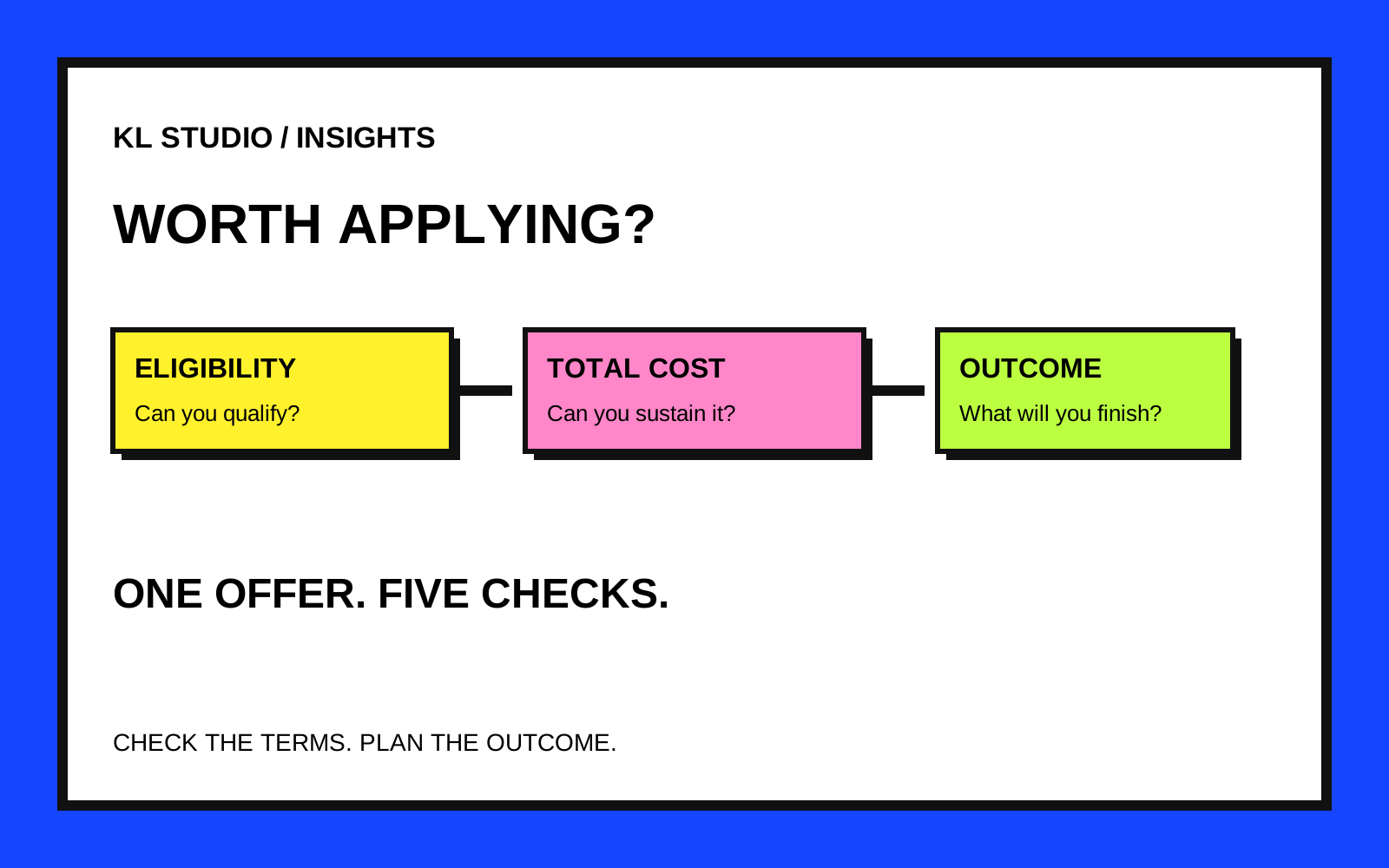
An impressive offer still needs to fit your next step
A developer benefit bundle, cloud-credit offer or short training program can look valuable on an announcement card. The useful question is more specific: will this offer help you complete something you already need, within time and money you can afford?
Use the checklist below before spending a weekend on an application. It is a decision aid, not a ranking of programs. Official terms were checked on October 5, 2026; recheck the provider’s current page before applying because eligibility and partner offers can change.
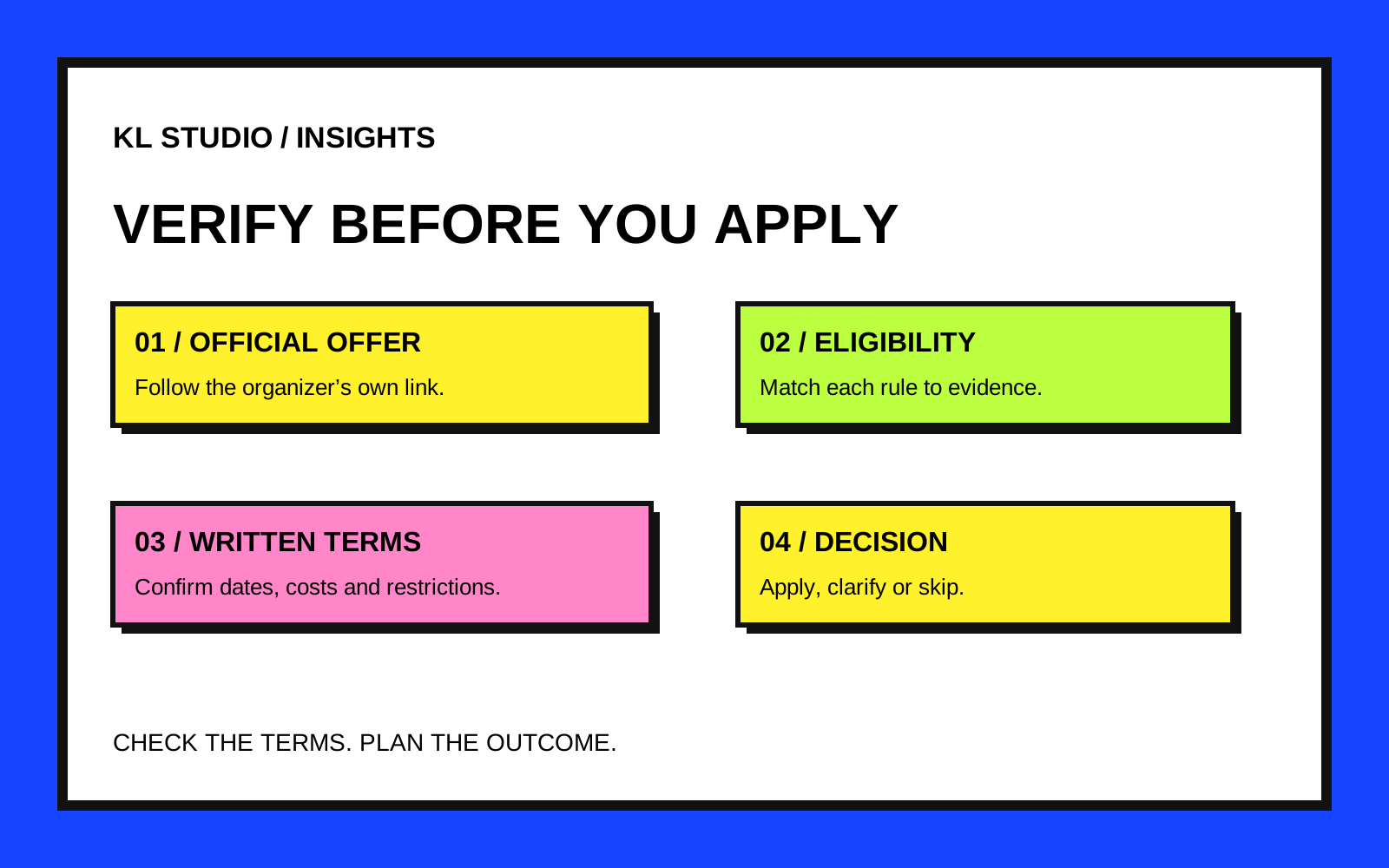
1. Verify the official offer and your eligibility
Start at the organizer’s own website rather than a forwarded form or social post. Follow the application link from that site. Record the program name, organizer, official URL and the date you checked it. If a deadline appears only on an unofficial poster, treat it as unconfirmed.
Write down every eligibility requirement: student status, location, age, company stage, existing account history or a partner nomination. Separate a requirement you can prove from one you merely assume you meet. Ask the organizer about unclear conditions before submitting identity or company documents.
GitHub’s Student Developer Pack illustrates why this matters. Its published terms require verified student status and explain that third-party products carry their own terms. Being accepted into a bundle does not make every partner benefit interchangeable or renewable.
- Official application URL: verified from the organizer’s site.
- Eligibility: evidence available for each mandatory condition.
- Data requested: understood, with the organizer’s privacy information available.
- Unclear condition: written confirmation requested before applying.
2. Put every important date on one line
Application closing time, acceptance date, activation deadline, session schedule and benefit expiry are different dates. Do not turn a social post’s publication date into an application deadline.
Copy the timezone exactly as published. If it is absent, ask the organizer. Convert live sessions to your local time and check whether attendance is required. A recording may help learning but may not count toward completion.
For benefits, check when the clock starts: application approval, account activation or redemption. Record an expiry reminder and enough lead time to export your work or change plans. Do not redeem a time-limited tool simply because you can; have a task ready for it.
3. Calculate the cost after the headline benefit
A free seat still uses time. A cloud credit covers only qualifying charges. A trial can end while the resource you created keeps running. List the application effort, required sessions, travel if any, equipment, paid services and the expected price after the benefit.
AWS’s promotional-credit terms are a concrete example: credits apply to designated eligible services, have a limited validity period and do not cover every possible charge. The redemption page explains that ineligible usage can be billed. Read the terms for the exact credit you receive rather than assuming that an advertised amount protects the entire account.
Treat the benefit as a discount against planned eligible use, not cash income. Estimate the workload you actually intend to run, then identify who will own the account and monitor billing. If normal charges after expiry are unaffordable, write a shutdown or migration plan before activating resources.
- Up-front cash: fees, travel and required paid tools.
- Time: application, sessions, assignments and administration.
- After expiry: normal subscription or service price.
- Exit work: export, deletion, migration and account cleanup.
4. Choose one deliverable that survives the program
Define the outcome before reviewing the perks. Useful examples include a runnable demo with a README, a tested deployment exercise, an annotated design handoff or a short comparison report. Choose something you can finish and explain without inventing an impact metric.
A certificate can be part of the outcome, but read what it certifies. Attendance, course completion and a proctored certification exam are different achievements. Do not assume an exam voucher, job placement or paid work is included unless the official offer says so.
For a portfolio deliverable, confirm whether the program allows public sharing and what material belongs to you. Keep private datasets, other participants’ information and restricted course material out of the public repository.
5. Compare the offer with doing one smaller project yourself
Ask what the program provides that you cannot reasonably reproduce: structured feedback, access to a tool you need, a live expert session or a deadline that supports your plan. A large bundle of unused subscriptions should not outweigh one relevant benefit.
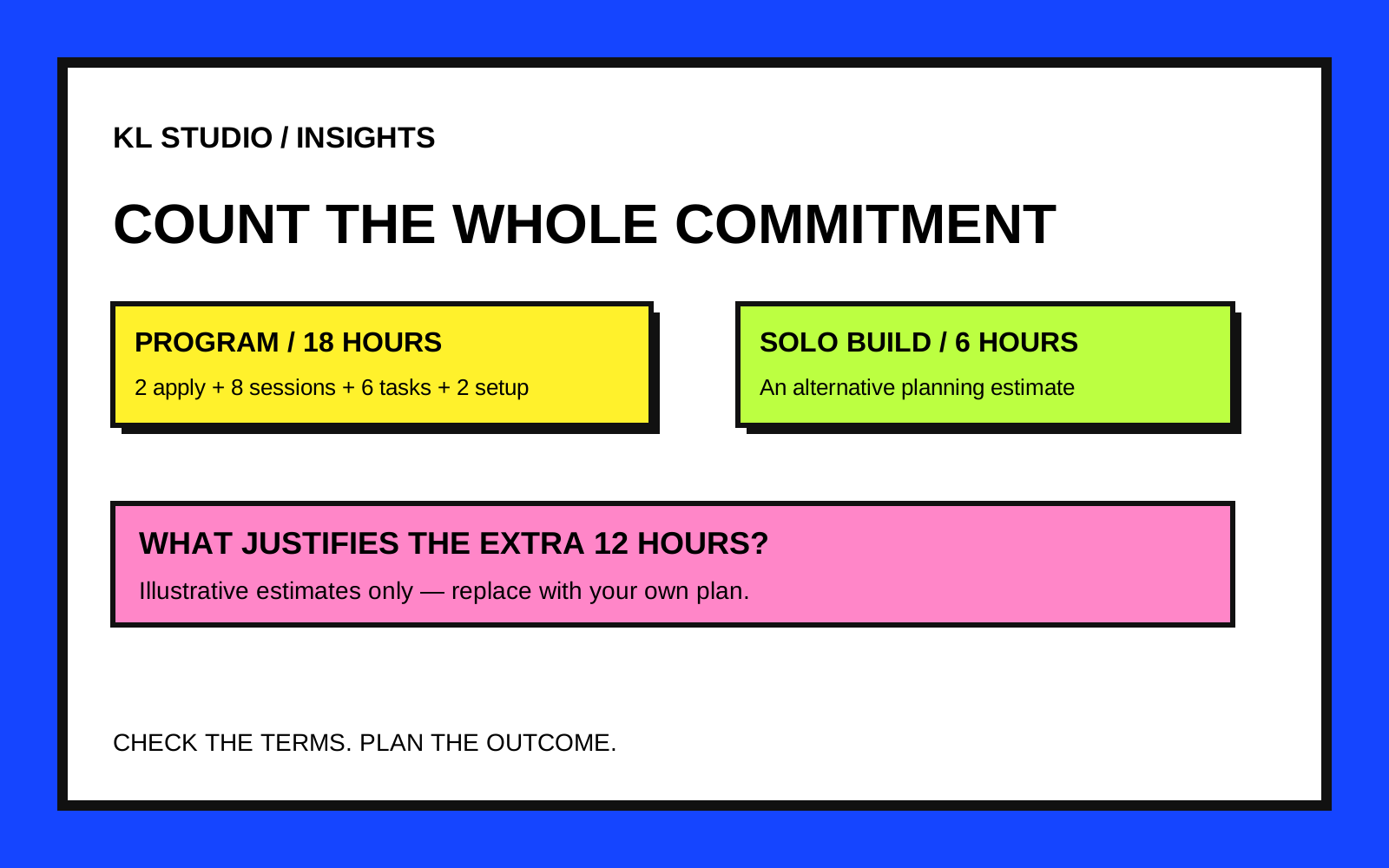
Consider this fictional comparison. An application takes two hours, four sessions take eight hours, assignments take six hours and setup takes two hours: eighteen hours before any travel. If the same planned demo can be completed independently in six hours, the remaining twelve hours need a clear purpose. These are illustrative planning numbers, not measured program results.
That extra time might be worthwhile for feedback or access. If those benefits are not confirmed, an independent build can be the better use of the week. Avoid a points score that hides a mandatory failure: ineligibility, unaffordable ongoing costs or incompatible attendance are reasons to stop even when the other items look attractive.
Copy this one-page decision note
Keep the note in your own planning document. Fill it with source links and confirmed facts rather than promotional language. An unknown is a follow-up item, not an automatic yes.
- Program and official URL; terms checked on [date].
- Eligibility condition → evidence or unanswered question.
- Closing time and timezone; required attendance; activation and expiry dates.
- Expected cash cost and time commitment; price after expiry.
- One deliverable; public-sharing restrictions; feedback you expect.
- Exit plan and decision: apply, wait for clarification or skip.
Apply when the conditions and outcome fit
A worthwhile program connects a verified offer to a realistic outcome. Confirm eligibility, put the dates on your calendar, account for the full cost and choose what you will finish. Save the official terms you relied on and recheck them before activation.
If the goal is building evidence of your skills, the public portfolio can help you define a small deliverable. For a specific system or workflow you need to plan, explore the services page or start a conversation.